1. Introduction
As logistics companies move towards electric vehicles, a major challenge remains: how to keep fleets charged efficiently. High-power DC chargers are key to overcoming this hurdle.
In this article, we'll explore how high-power DC chargers are revolutionizing logistics by offering fast, scalable, and cost-effective charging solutions. You'll learn how these chargers are crucial for fleet management and sustainability.
2. The Need for High-Power DC Chargers in Logistics
2.1 Challenges in Logistics Fleets and Charging Infrastructure
Logistics companies face unique challenges when transitioning to electric fleets. Unlike personal vehicles, logistics fleets often require vehicles to operate 24/7, demanding quick turnaround times and continuous availability. Electric vehicles (EVs) require charging stations, but traditional AC chargers simply don’t provide the speed needed for such operations.
For logistics companies, charging can become a bottleneck. With electric trucks and vans needing to be on the road for long periods, waiting for hours at a charging station could result in costly downtime. This is where high-power DC chargers come in, enabling faster charging to reduce waiting time and improve operational efficiency.
The logistics sector is fast-paced, and any delay in operations can directly affect productivity and revenue. The ability to quickly charge electric vehicles is essential to keeping logistics operations on track. DC chargers are designed to address this need for quick turnaround times. Unlike AC chargers, which take several hours to fully charge an EV, DC chargers can provide a full charge in a fraction of the time.
2.2 Why High-Power DC Chargers Are Key to Overcoming These Challenges
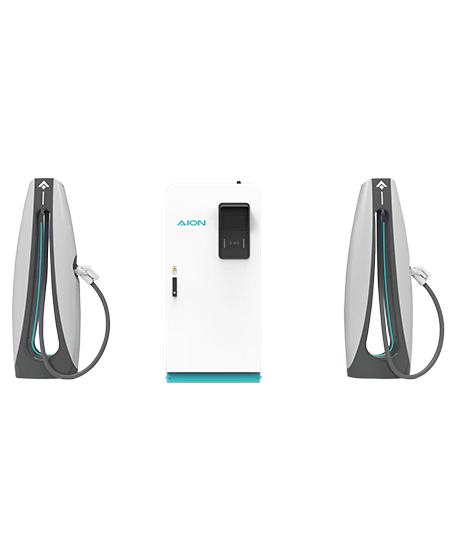
High-power DC chargers are the solution to these logistics challenges. These chargers significantly reduce the time it takes to recharge electric vehicles, allowing logistics operations to continue smoothly. Unlike AC chargers, which may take several hours to fully charge an EV, DC chargers can provide a full charge in as little as 30 minutes to an hour. This quick turnaround ensures that vehicles can get back on the road faster, maintaining continuous fleet operations without extensive delays.
Charger Type | Charging Speed | Installation Time | Operational Cost | Best For |
AC Charger | Slower (8-12 hours) | Longer | Lower | Businesses with overnight charging |
DC Charger | Faster (30 minutes - 1 hour) | Shorter | Higher | High-demand logistics operations |
Logistics companies should prioritize high-power DC chargers in locations where quick turnaround times are crucial for maintaining efficiency.
High-power DC chargers enable rapid charging that fits into tight logistics schedules. For instance, vehicles can be charged during short rest periods or shift changes, ensuring that they are ready for the next round of deliveries. This rapid charging process not only minimizes downtime but also increases the operational capacity of the fleet, allowing businesses to expand their operations while keeping fleet costs manageable.
3. How High-Power DC Chargers Benefit Logistics Operations
3.1 Maximizing Efficiency with Faster Charging
In the logistics sector, time is money. High-power DC chargers help maximize fleet efficiency by ensuring vehicles spend minimal time at charging stations. Whether it's a distribution center, depot, or highway charging station, DC chargers facilitate rapid recharging, enabling vehicles to spend more time on the road rather than waiting for a charge.
With DC chargers, logistics companies can optimize vehicle availability and reduce operational downtime. Vehicles that require less time to charge mean more deliveries can be made, improving overall productivity and revenue. The ability to keep vehicles operational for longer hours directly correlates with the growth of logistics companies.
To further enhance fleet performance, install DC chargers at strategic locations where vehicles tend to stop during their routes.
Faster charging also allows logistics companies to maintain a more flexible operational schedule. Logistics managers can plan charging around peak operational hours and minimize downtime during non-critical hours. This flexibility provides a competitive edge, enabling businesses to fulfill more orders and respond to customer needs quickly.
3.2 Cost Efficiency and Return on Investment (ROI)
While the initial investment in DC chargers may be higher than AC chargers, the long-term savings can be substantial. Faster charging means vehicles spend less time off the road, leading to greater utilization of each vehicle in the fleet. The more efficient the fleet operates, the higher the return on investment (ROI).
Additionally, high-power DC chargers are often more energy-efficient compared to slower charging options. They are designed to handle the higher energy demands of electric trucks, optimizing power usage and reducing electricity costs in the long run. As logistics companies scale their fleets, DC chargers provide an essential infrastructure that grows with their needs.
Furthermore, DC chargers are also designed to be more durable and require less maintenance than AC chargers. This means fewer repairs and replacements, contributing to a higher ROI over time. The increased efficiency and longevity of these chargers make them a worthwhile investment for businesses looking to future-proof their electric fleets.
Benefit | Description |
Efficiency | Faster charging times, reducing downtime and increasing vehicle utilization. |
Cost Savings | Reduced operational costs over time with faster, more efficient charging. |
Scalability | Can handle growing fleets, making it easy to scale charging infrastructure. |
Sustainability | Supports eco-friendly logistics by enabling electric fleet adoption. |
3.3 Supporting Flexible Charging Schedules
DC chargers support flexibility in charging schedules, which is a significant advantage for logistics companies that work around the clock. With DC chargers, fleet managers can schedule fast recharges during non-operating hours or between shifts, reducing the impact on daily operations. This flexibility not only saves time but also optimizes the overall charging process, allowing fleets to operate without disruption.
By incorporating DC chargers into logistics operations, companies can avoid grid congestion and take advantage of off-peak electricity rates, further optimizing costs. This helps balance charging times with the need for vehicles to be on the road during peak hours.
Consider implementing flexible charging schedules to take advantage of off-peak electricity rates, making DC chargers even more cost-effective.
4. The Environmental Impact of High-Power DC Charging
4.1 Supporting Sustainable Logistics Operations
One of the primary drivers behind the transition to electric vehicles in logistics is the need to reduce carbon emissions. As companies increasingly focus on sustainability, high-power DC chargers enable a cleaner future for logistics. By charging EVs more efficiently, these chargers help reduce the overall carbon footprint of transportation fleets.
Moreover, the widespread adoption of DC chargers facilitates a faster transition to EV fleets, reducing reliance on fossil fuels and supporting a greener economy. With rapid charging, logistics companies can integrate more electric vehicles into their operations, accelerating the move toward sustainability.
To enhance sustainability, logistics companies should invest in DC chargers that support renewable energy integration, reducing reliance on grid electricity.
The environmental benefits of high-power DC chargers are further enhanced when they are integrated with renewable energy sources like solar or wind power. This reduces the carbon footprint of logistics operations while supporting global sustainability goals. By leveraging green energy to charge electric vehicles, logistics companies can significantly reduce their environmental impact.
4.2 Achieving Corporate Sustainability Goals
Many logistics companies have set ambitious sustainability goals, such as achieving carbon neutrality by 2050. High-power DC chargers support these objectives by ensuring that electric fleets can operate with minimal downtime, maximizing their environmental benefits. When paired with renewable energy sources like solar or wind, DC chargers allow companies to significantly reduce their environmental impact and reach their sustainability targets faster.
By adopting DC chargers, logistics companies can not only improve their operational efficiency but also align with global sustainability standards and attract environmentally conscious customers. This added value is essential as businesses increasingly prioritize green practices.
Integrating DC chargers with renewable energy sources will not only reduce costs but also help logistics companies meet their sustainability targets.
5. The Future of High-Power DC Chargers in Logistics
5.1 Emerging Trends and Technological Advancements
The future of DC chargers in logistics looks promising as new technologies continue to emerge. Innovations in high-power DC charging are reducing charging times even further, with some chargers capable of providing a full charge in under 15 minutes. As these advancements take hold, logistics companies will see even greater efficiencies and cost savings.
Furthermore, the development of smart charging solutions that can communicate with electric vehicles and grid systems will enable optimized charging schedules based on energy demand. These innovations will help reduce operational costs and support the transition to fully electrified logistics fleets.
The integration of artificial intelligence (AI) and machine learning (ML) in charging systems will also improve charging efficiency. AI can optimize the timing and scheduling of charging, ensuring that fleets are always ready for operation without overloading the electrical grid.
5.2 The Growing Infrastructure for High-Power DC Chargers
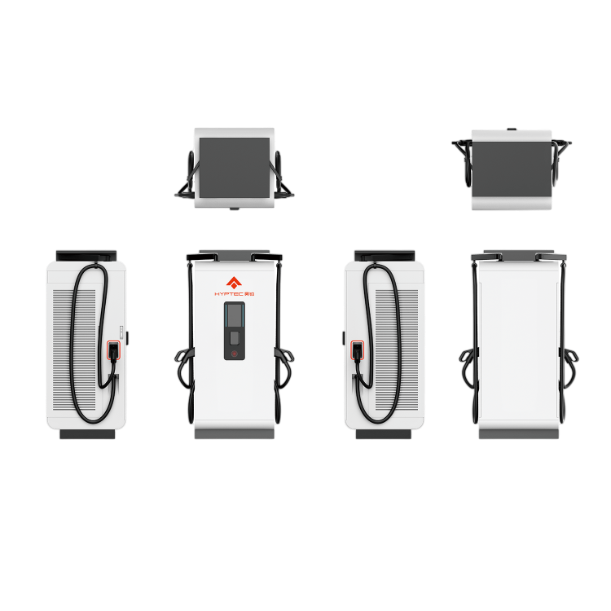
As the demand for electric vehicles in logistics grows, so does the need for fast and reliable charging infrastructure. High-power DC chargers are becoming increasingly widespread, with more charging stations being built at key logistics hubs. This growing infrastructure will allow logistics companies to charge vehicles quickly and efficiently, supporting the scaling of electric fleets across the industry.
The development of robust charging networks will be essential for logistics companies as they expand their electric fleets. DC chargers will need to be strategically placed at key locations, such as distribution centers, warehouses, and along highways, to ensure vehicles are charged when needed and can continue their operations without delay.
Logistics companies should partner with infrastructure providers to expand high-power DC charger networks and ensure the reliability of their electric fleets.
6. Conclusion
High-power DC chargers have become essential for efficient and sustainable operations in logistics fleets. GAC Energy Technology Co., Ltd.’s 120kW DC charging solutions not only deliver fast charging. They also significantly reduce downtime. These solutions feature multiple safety protections, strong weather resistance, and high compatibility. They also include smart remote management. This makes them ideal for demanding environments and tight operational schedules.
Make charging faster, operations more reliable, and management smarter.
If you are ready to enhance your fleet efficiency and receive a customized charging solution, contact us today. You can access exclusive product information and industry-specific support.
FAQ
Q: What is a high-power DC charger?
A: A high-power DC charger is a charging station that supplies direct current, enabling faster recharging of electric vehicles.
Q: How do high-power DC chargers benefit logistics operations?
A: High-power DC chargers reduce downtime by providing faster charging, which helps logistics companies maximize fleet productivity.
Q: Why should logistics companies invest in high-power DC chargers?
A: High-power DC chargers allow for faster vehicle turnaround, supporting efficient fleet management and helping companies save on long-term operational costs.
Q: What are the advantages of using a DC charger in logistics?
A: DC chargers offer fast charging speeds, reducing downtime and supporting the scalability needed for expanding electric vehicle fleets in logistics.


