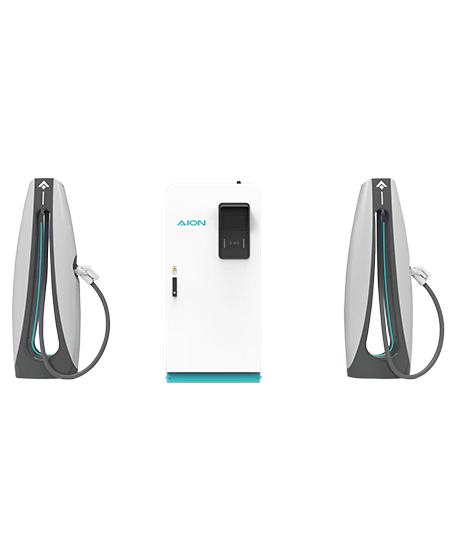
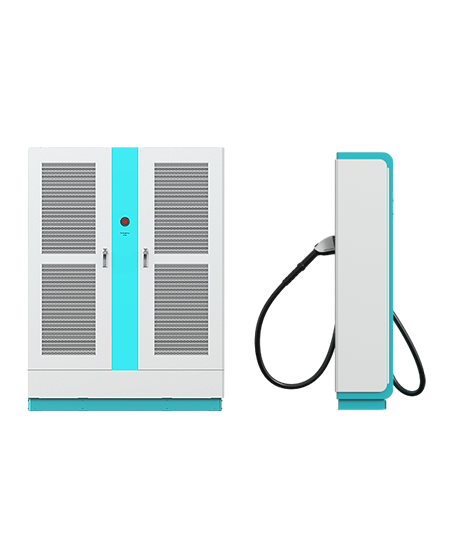
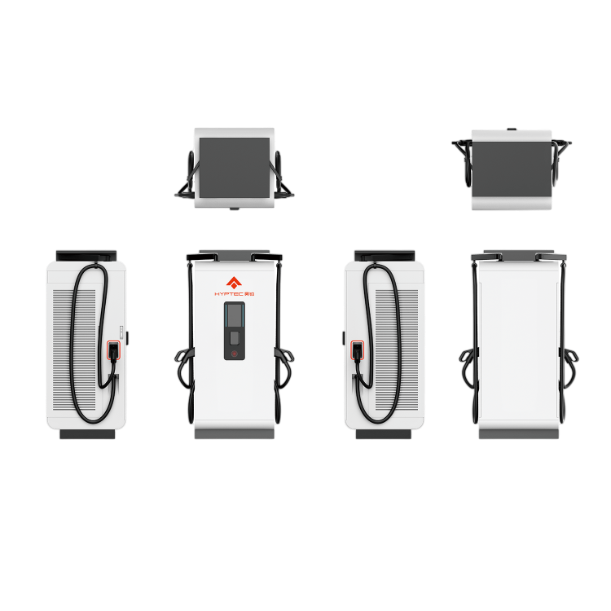
GAC Energy Showcases Full-Scenario Energy Solutions at the 139th Canton FairApril 16, 2026, Guangzhou – The 139th China Import and Export Fair (Canton Fair) officially opened today.
Deploying standard solar panels in extreme environments represents a massive financial gamble. Coastal winds and agricultural fumes aggressively attack delicate electronic components.
Commercial solar procurement is not a one-size-fits-all process. The decision between ground-mounted systems and rooftop arrays fundamentally changes the engineering requirements of the panels you select.Facility managers face high stakes regarding capital and operational expenditures.
Utility-scale and commercial solar project finance relies heavily on precise energy yield modeling. Bifacial technology now firmly dominates the global solar market. Yet, accurately forecasting its true financial return remains highly complex.
The industry standard for utility-scale and commercial solar has aggressively consolidated around large-format silicon wafers. Today, procurement teams primarily evaluate M10 (182mm) and G12 (210mm) formats for their major pipeline projects.
The utility-scale solar sector is rapidly shifting from P-type PERC to N-type TOPCon technology. Strict Levelized Cost of Energy (LCOE) requirements drive this massive transition. Nominal efficiency gains alone no longer guarantee project success.
Optimize utility-scale PV system design with 1500V solar panels. Learn to slash BOS costs, reduce LCOE, and mitigate PID risks for maximum ROI.
If you want the best choice in EV charging standards for most users, CCS stands out. You see this standard in many new EV models because it offers fast charging and works in North America and Europe. Charging speed matters when you need to get back on the road quickly.