Introduction
As electric vehicles (EVs) continue to gain popularity, businesses are under increasing pressure to offer charging solutions. One of the most efficient options available is the AC charger. But what exactly should businesses know before installing these systems?
In this article, we explore the key factors businesses need to consider when installing AC chargers. From understanding technical requirements to cost considerations, you will gain a clear picture before making this investment.
Understanding AC Chargers: What They Are and How They Work
What Is an AC Charger?
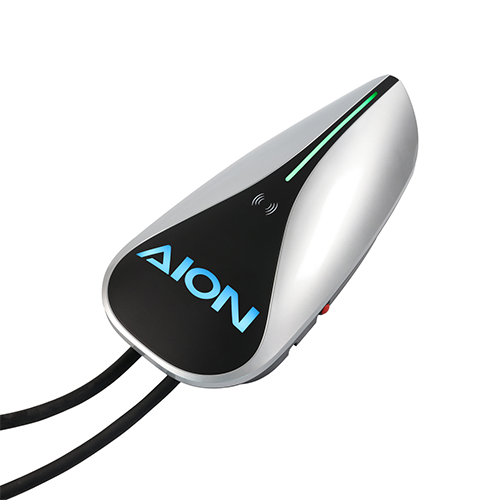
An AC charger is a device that allows electric vehicles to be charged by converting alternating current (AC) from the electrical grid into a form that can be stored in the vehicle’s battery.
Unlike DC chargers, which directly charge the battery at a faster rate, AC chargers are typically slower. However, they are widely used in business and residential settings due to their cost-effectiveness and compatibility with existing electrical systems.
How AC Charging Works
AC charging works by sending electricity from the grid into the charging station. The vehicle’s onboard charger then converts this electricity into a suitable form to charge the battery.
Depending on the available power source and charger type, a full charge may take several hours to complete.
Types of AC Chargers
Businesses mainly choose between two types of AC chargers:
Charger Type | Voltage | Charging Speed | Best For |
Level 1 AC | 120V | 2-5 miles of range per hour | Home use, low-traffic areas |
Level 2 AC | 240V | 10-25 miles of range per hour | Businesses, high-traffic areas |
Key Considerations Before Installing AC Charging Systems
Understanding Electrical Infrastructure Requirements
Before installing AC chargers, businesses must assess their existing electrical infrastructure. Depending on the number of chargers and charging power required, upgrades may be necessary.
This includes ensuring sufficient power capacity, appropriate circuit breakers, and proper wiring to support charging without overloading the system.
Space and Location Planning
Careful planning is required when selecting installation locations for AC chargers. Chargers should be placed in accessible areas that do not interfere with traffic flow or daily operations.
For employee-facing chargers, proximity to parking areas is critical. For customer-facing chargers, visibility and ease of access play a key role in driving usage.
Business Goals and Future-Proofing
Installing AC chargers should align with long-term business goals. For companies planning fleet expansion or increased customer traffic, scalable charging solutions are essential.
Choosing systems that support future expansion helps avoid costly reinvestments later.
Cost Considerations and Budgeting for AC Chargers
Initial Installation Costs
Installation costs vary depending on charger type, quantity, and site conditions.
Level 1 AC chargers have lower upfront costs but limited efficiency for high-use environments.
Level 2 AC chargers require higher initial investment but are more suitable for busy commercial locations.
Estimated Installation Cost Overview
Level 1 AC
Level 2 AC
Estimated Cost: $1,000–$2,500
Additional Costs: Electrical upgrades required
Maintenance and Operational Costs
Ongoing costs include electricity usage, routine inspections, and maintenance. Compared with DC fast chargers, AC chargers typically involve lower maintenance and operational expenses.
However, businesses should still factor in energy costs, especially when offering charging services free of charge or at a discounted rate.
Potential for Government Grants and Incentives
Many governments offer incentives such as tax credits, rebates, and grants to encourage EV charging infrastructure deployment.
Researching available local and national incentive programs can significantly reduce upfront investment costs.
Legal and Compliance Issues in Installing AC Charging Systems
Local Regulations and Codes
Installation of AC chargers must comply with local zoning regulations, building codes, and electrical safety standards.
These regulations often address electrical specifications, public accessibility, and environmental compliance requirements.
Safety Standards for Installation
Safety is critical when deploying AC charging systems. Chargers must be installed according to manufacturer guidelines and meet all applicable safety regulations.
Key considerations include weather resistance, proper signage, safe cable management, and accessibility for all users.
Integrating AC Chargers into Business Operations
Charging Systems for Employee Use
Providing AC chargers for employees can serve as a valuable workplace benefit. Clear policies should be established to define access, usage rules, and potential costs.
This approach supports employee EV adoption while reinforcing sustainability initiatives.
Offering Charging Stations to Customers
Customer-facing AC chargers can attract new visitors, extend dwell time, and enhance overall customer satisfaction.
They also strengthen a company’s reputation as an environmentally responsible business.
Managing and Tracking Usage
Businesses should consider software solutions that allow monitoring of charger usage, energy consumption, and user behavior.
These systems can support billing, reporting, and integration with customer loyalty or reward programs.
Environmental Impact and Sustainability
Green Energy Integration
AC charging systems can be integrated with renewable energy sources such as solar power, reducing reliance on grid electricity generated from fossil fuels.
This approach lowers carbon emissions and supports broader clean energy transitions while positioning businesses as sustainability leaders.
Waste Reduction Through Sustainable Practices
The adoption of EVs and AC chargers helps reduce fossil fuel dependence and associated environmental damage.
Additionally, many modern AC chargers are designed using recyclable materials, helping minimize electronic waste and supporting circular economy principles.
Conclusion
Before installing AC charging systems, businesses must carefully evaluate technical requirements, costs, regulatory compliance, and future scalability.
When planned correctly, AC charging infrastructure delivers long-term operational, financial, and sustainability benefits.
GAC Energy Technology Co., Ltd. provides reliable and efficient AC charging solutions, enabling businesses to integrate charging systems seamlessly and stay competitive in the rapidly evolving green energy market.


