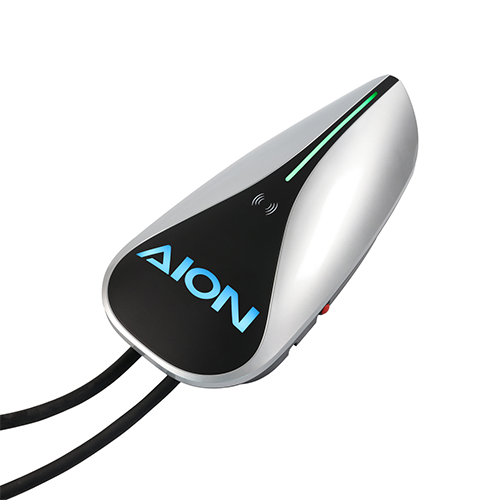
GAC Energy Showcases Full-Scenario Energy Solutions at the 139th Canton FairApril 16, 2026, Guangzhou – The 139th China Import and Export Fair (Canton Fair) officially opened today.
You want quick energy for your electric vehicle. Battery swapping is best for speed and groups of vehicles. EV charging is easier for most drivers. Think about speed, price, battery health, and setup. Battery swapping stations are not as common as charging stations.
You can expect to pay $100,000 to $200,000 to install a dc fast charging station in 2026. The price depends on your site’s electrical service, transformer upgrades, digging, and other building work.
If you want the best choice in EV charging standards for most users, CCS stands out. You see this standard in many new EV models because it offers fast charging and works in North America and Europe. Charging speed matters when you need to get back on the road quickly.
If you live in North America, you probably need CCS1. In Europe or Asia, CCS2 is likely the right fit. You should check your EV charging port before you choose. Your region and your car model decide which charging standard works for you. Local charging stations also play a big role.
You can see the world change as ev charging networks grow quickly. Now, there are more charging stations than petrol pumps in the U.K. By April 2026, there will be over 120,000 public chargers. More people are picking electric cars, so ev charging is getting bigger.
GAC Energy recently exchanged with Brazil’s Inmetro on battery policies, EV charging standards, and energy efficiency testing – areas core to its solar‑storage‑charging‑swapping network strategy. As Brazil is a strategic market for GAC’s “Brazil Action” plan, GAC Energy is building a nationwide energy supply network there. Inmetro’s role in certification and regulation makes this dialogue a solid step toward future standard alignment and technical cooperation, boosting China‑Brazil green mobility collaboration.
GAC Energy, GAC International, Brazilian charging operator GreenV, and mobility platform 99 have partnered to deploy 242 fast‑charging stations in Brazil by 2030. By integrating vehicles, chargers, networks, and platforms, and adopting a "demand‑first" approach, the collaboration aims to address the country's severe charging infrastructure shortage and drive ecosystem‑wide synergy for electric mobility.