1. Introduction
The shift to electric vehicles (EVs) in commercial fleets is gaining momentum. But how do businesses keep their fleets charged and running efficiently? The answer lies in DC chargers.
In this article, we’ll explore how DC fast charging accelerates fleet deployment by reducing downtime and enhancing efficiency. You’ll learn how these chargers support sustainability goals and boost fleet performance.
2. The Importance of DC Fast Charging in Fleet Deployment
2.1 Speed of Charging for Fleet Efficiency
One of the primary benefits of DC chargers is their ability to deliver fast charging times. For businesses relying on electric vehicles, minimizing downtime is crucial. Traditional charging methods, such as AC charging, can take several hours to fully charge a vehicle, which is not practical for commercial fleets that operate on tight schedules.
DC fast chargers, on the other hand, can charge EVs in as little as 30 minutes to an hour, significantly reducing downtime. This faster charging capability ensures that fleet vehicles can quickly get back on the road, maximizing productivity. Whether it’s a delivery truck, shuttle service, or any other type of commercial vehicle, DC charging ensures that vehicles are operational for longer periods, leading to higher fleet efficiency.
Businesses can optimize fleet uptime by integrating DC fast chargers in key locations to support rapid recharging during operational breaks.
2.2 Enhancing Fleet Management Flexibility
With the ability to charge rapidly, DC chargers provide enhanced flexibility for fleet management. Businesses can now plan charging schedules that align with peak operational times, ensuring that vehicles are ready when needed. This flexibility is especially beneficial for companies that rely on multiple vehicles for various shifts and routes.
Unlike AC chargers, which require a longer window for vehicle charging, DC chargers allow fleets to recharge during short breaks or overnight, without interfering with the day-to-day operations. This quick turnaround time increases operational efficiency, reduces downtime, and supports continuous vehicle usage.
2.3 Meeting Increased Energy Demands of Growing Fleets
As commercial fleets grow and the demand for electric vehicles rises, energy requirements increase significantly. DC fast chargers are designed to handle these increased energy demands without compromising performance.
Unlike AC chargers, which are better suited for smaller fleets, DC fast chargers can support larger fleets by offering higher power outputs and faster recharging capabilities. This is critical as companies scale up their electric vehicle operations and need charging solutions that can keep pace with fleet expansion.
Businesses looking to scale their EV fleets should prioritize DC fast chargers to meet growing energy demands efficiently.

3. Cost-Effectiveness and ROI of DC Fast Charging for Commercial Fleets
3.1 Lower Operational Costs with Faster Charging
Although the initial investment in DC chargers can be higher than traditional AC chargers, the long-term cost savings are substantial. Faster charging reduces downtime, allowing vehicles to return to service more quickly and reducing the need for additional vehicles to maintain fleet efficiency.
Moreover, the faster turnaround time for recharging allows companies to schedule maintenance and charging during off-peak hours, reducing energy costs. This flexibility further enhances the return on investment (ROI) for companies investing in DC chargers.
Optimize charging schedules for your fleet by using DC chargers during off-peak hours to take advantage of lower energy rates.
Charger Type | Installation Cost | Charging Speed | Infrastructure Requirements | Best For |
AC Charger | Lower | Slower (8-12 hours) | Standard electrical system | Businesses with overnight charging |
DC Charger | Higher | Faster (30 minutes) | Specialized electrical system | High-traffic, quick charging needs |
This is why GAC Energy’s DC charger supports dynamic power allocation, allowing simultaneous charging of multiple vehicles without grid overload
3.2 Long-Term Savings from Efficient Energy Usage
DC fast chargers are designed with efficiency in mind. They offer higher power outputs than AC chargers, enabling fleets to charge more vehicles in less time. This increased efficiency leads to lower long-term costs for businesses, as less energy is wasted and more vehicles are charged within a shorter window.
Additionally, DC fast chargers are often more durable and require less frequent maintenance compared to slower charging solutions. Over time, this translates into significant savings on maintenance and repair costs, making DC chargers a cost-effective choice for large fleets.
Consider the long-term savings on maintenance and energy costs when choosing charging infrastructure for your fleet.
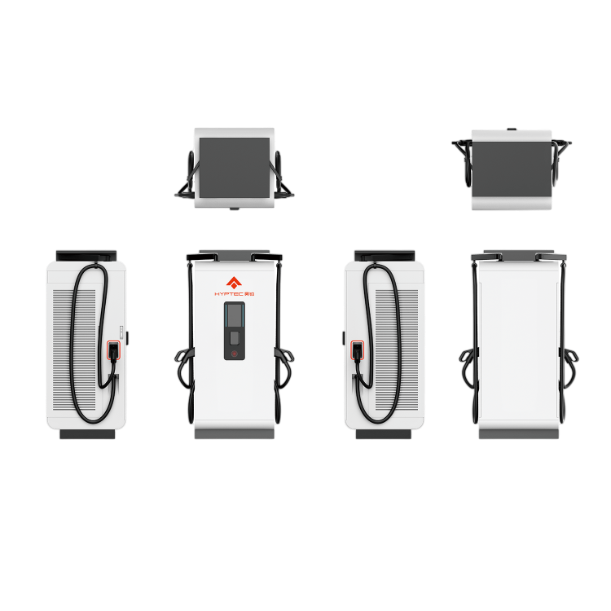
With a conversion efficiency of ≥96.5%, GAC Charging Pile significantly reduces power loss during charging, ensuring more energy is delivered directly to your vehicle. This high-efficiency design not only speeds up charging times but also supports sustainable energy use by minimizing waste.
Engineered for durability, GAC Charging Pile is both CE-certified and rated IP54 for robust protection against dust and water. These features ensure reliable operation in extreme weather conditions, providing peace of mind and consistent performance wherever you charge.
4. DC Fast Charging's Impact on Sustainability Goals
4.1 Contribution to Green Fleet Initiatives
As businesses increasingly prioritize sustainability, DC chargers play a key role in helping companies meet their environmental goals. Faster charging times mean that businesses can support a larger number of electric vehicles without compromising the overall efficiency of their operations.
By adopting DC fast chargers, businesses contribute to reducing their carbon footprint. With the ability to charge more vehicles quickly, fleets can operate more efficiently and reduce the number of vehicles that need to be idled for extended periods. This efficiency directly correlates with fewer emissions and a more sustainable fleet.
By integrating DC fast chargers into your fleet operations, you can support your company’s green initiatives and reduce carbon emissions.
4.2 Supporting Renewable Energy Integration
The combination of DC fast chargers with renewable energy sources creates a more sustainable charging solution. Solar, wind, and other renewable energy sources can be integrated into the charging infrastructure, providing businesses with an even more eco-friendly option.
The use of renewable energy in conjunction with DC chargers not only reduces dependency on grid electricity but also enhances the environmental benefits of electric vehicle adoption. This integration can help businesses meet their sustainability targets while supporting the transition to clean energy.
Integrating DC fast chargers with renewable energy sources can help your business achieve carbon neutrality and reduce its reliance on the grid.
5. Overcoming Challenges with DC Fast Charging in Fleet Deployment
5.1 Initial Installation and Infrastructure Costs
While DC chargers offer numerous benefits, the initial installation cost is often higher than that of traditional charging methods. The infrastructure needed to support fast chargers requires higher-capacity electrical systems, which can drive up costs.
However, businesses should view this investment as a long-term strategy. The increased efficiency and reduced operational costs over time justify the initial investment, particularly for companies looking to scale their fleet operations.
Factor in the long-term operational savings and ROI when evaluating the higher initial installation cost of DC chargers.
5.2 Addressing Power Grid Limitations
Another challenge faced when implementing DC chargers is the potential strain on the local power grid. Fast chargers demand high levels of energy, and depending on the location, the grid may not be equipped to handle this demand.
To overcome this, businesses can work with energy providers to upgrade local infrastructure or use energy storage solutions to balance demand. These solutions help ensure that charging stations remain efficient and do not disrupt power supply in the surrounding areas.
Collaborate with energy providers to ensure that local power grids can handle the energy demand from DC fast chargers.
5.3 Accessibility and Site Requirements
For businesses deploying DC chargers, finding the right location for installation is critical. Unlike AC chargers, which can be installed in more accessible locations, DC chargers require specific site conditions, such as high-voltage electrical systems.
Proper site planning is essential to ensure that the chargers can be installed effectively and efficiently. This might involve investing in site assessments or working with installation experts to ensure optimal locations for fast charging.
Ensure that your installation site is equipped with the necessary infrastructure to support DC fast chargers before making an investment.
6. Future Trends: Innovations in DC Fast Charging for Fleets
6.1 Emerging Technologies to Enhance Charging Speed
The future of DC fast charging lies in continued innovation. Advancements in technology are reducing charging times even further, with some manufacturers working on ultra-fast charging systems that could fully charge an EV in under 15 minutes.
These advancements are crucial for the continued growth of electric fleets, as they will allow businesses to reduce downtime and further improve fleet efficiency.
6.2 Integration with Autonomous Fleet Technologies
As autonomous vehicles become more prevalent in commercial fleets, DC fast chargers will play an integral role in supporting these technologies. Autonomous vehicles, which require consistent and reliable charging, will benefit from the rapid charging capabilities offered by DC fast chargers.
By providing fast and efficient charging, businesses can ensure that their autonomous fleets remain operational at all times, further enhancing fleet deployment and minimizing downtime.
Keep an eye on emerging DC fast charging technologies to stay ahead of the curve and support autonomous fleet operations.
6.3 Smart Management for Operational Excellence
Featuring remote OTA updates and 4G real-time monitoring, our charging piles empower fleet managers to intelligently optimize charging schedules based on dynamic energy pricing and real-time vehicle status. This smart management capability significantly reduces operational costs and enhances fleet readiness, ensuring your business benefits from both economic efficiency and seamless operations.
6.4 Driving Sustainability and ESG Leadership
Our charging solutions actively support your corporate sustainability goals by facilitating the seamless integration of renewable energy. Specifically designed to work in harmony with solar power systems, the chargers enable logistics fleets to prioritize clean energy during peak daylight hours. This directly reduces the carbon footprint of your operations and provides a measurable, positive impact on your environmental, social, and governance (ESG) commitments.
7. Conclusion
DC fast charging is essential for accelerating commercial fleet deployment. It reduces downtime, increases efficiency, and supports sustainability goals. GAC Energy Technology Co., Ltd. offers innovative DC chargers that help businesses maximize fleet performance. Their products provide quick, cost-effective solutions to meet the growing energy demands of electric fleets, ensuring long-term savings and sustainability.
FAQ
Q: What is a DC Charger?
A: A DC charger is a fast-charging solution that supplies direct current (DC) to electric vehicles, enabling rapid charging compared to AC chargers.
Q: How does DC fast charging accelerate fleet deployment?
A: DC fast charging allows commercial fleets to recharge vehicles quickly, reducing downtime and improving overall fleet efficiency.
Q: Why should businesses invest in DC chargers for their fleets?
A: DC chargers provide faster charging times, allowing businesses to maximize vehicle usage and reduce downtime, improving fleet performance.
Q: What are the benefits of using DC chargers for commercial fleets?
A: DC chargers offer faster charging, reduced operational costs, and enhanced scalability, helping businesses efficiently manage growing electric fleets.
Q: How much does it cost to install a DC charger?
A: The installation cost of a DC charger depends on the site and power requirements but is typically higher than AC chargers due to infrastructure needs.


